Utah Tech receives NASA grant for water management solutions project
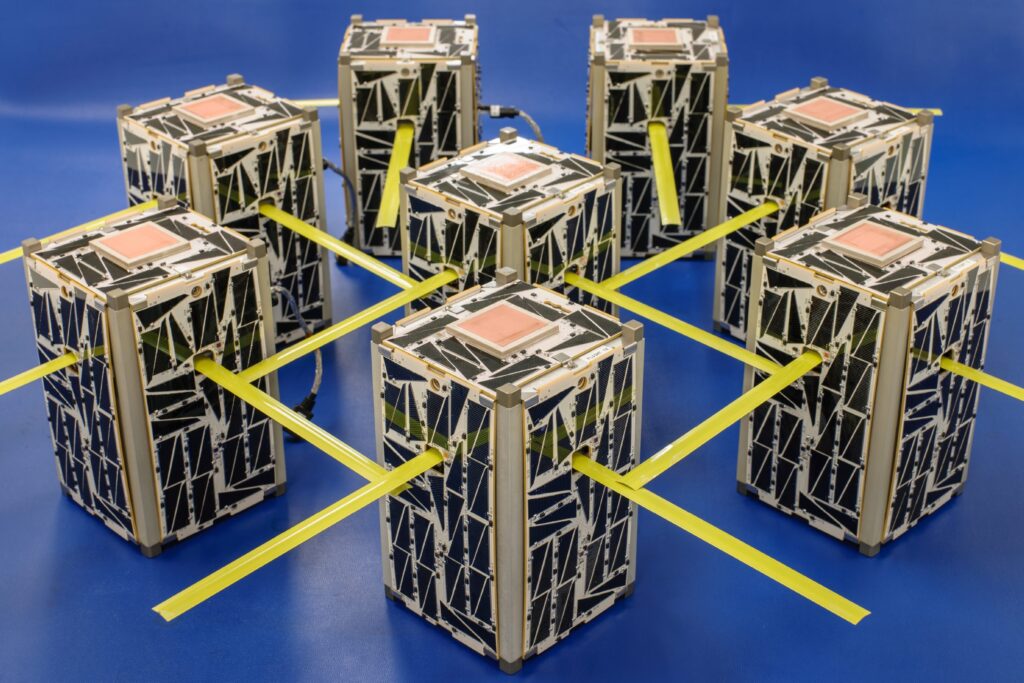
This rendering shows what some CubeSats would look like in space | Photo courtesy of nasa.gov, St. George News
ST. GEORGE - Utah Tech University has been awarded a NASA mini-grant to develop a CubeSat aimed at helping water resource management in Utah. The project started on May 18 and will last until May 17, 2025.
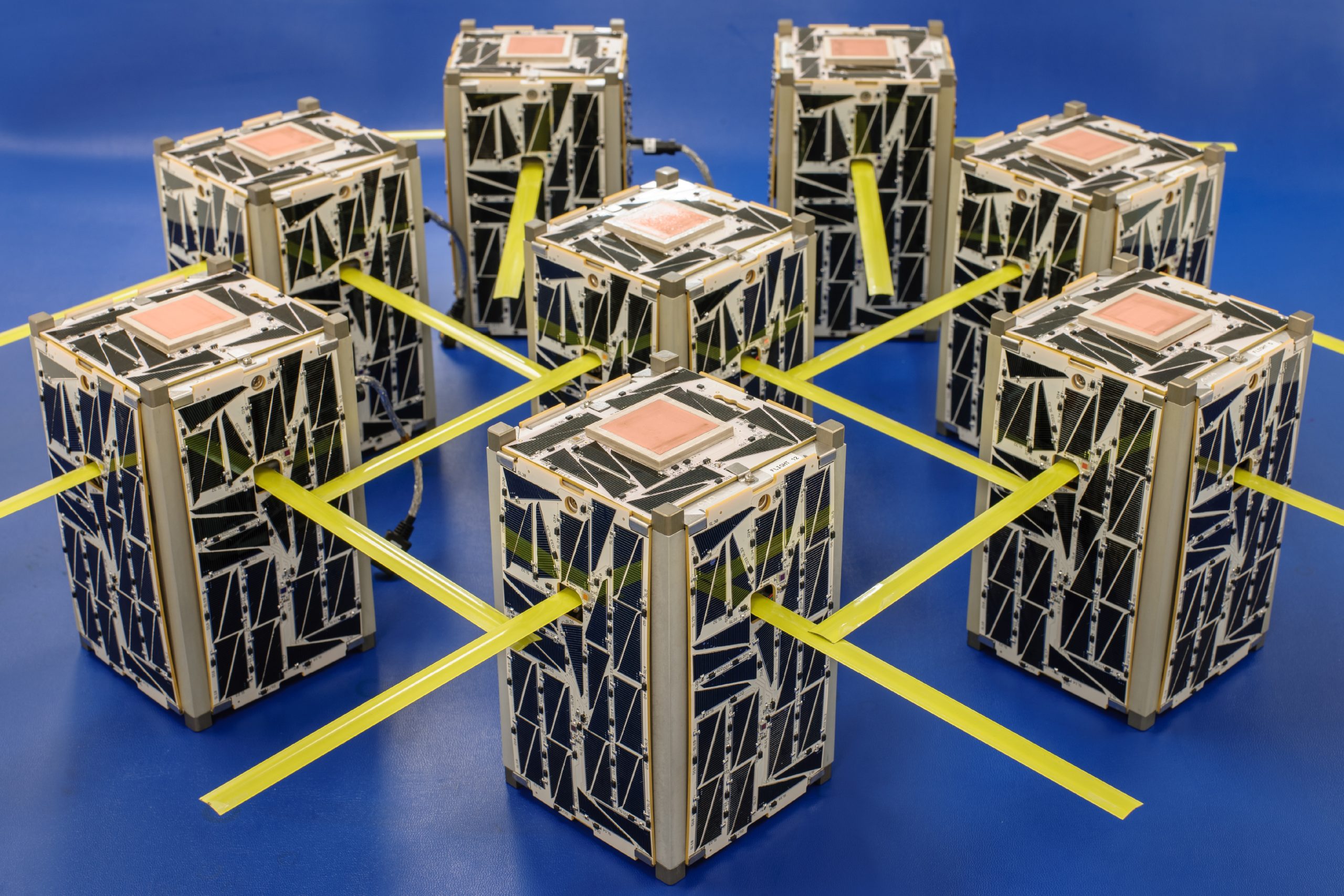
A CubeSat is a small satellite developed by Cal Poly and Stanford in the early 2000s that aims to give university students the opportunity to gain experience in space engineering.
This year's CubeSat is a water desalination project in coordination with the Utah Division of Water Resources and the Water Conservation District.
If successful, the second phase would involve finding a launch vehicle and possibly launching the device into space next year. Dr. Monte Kennedy, a retired aerospace engineer and adjunct professor at Utah Tech with 45 years of experience in the field, told St. George News that he led the proposal for NASA.
Kennedy and Dr. Dave Christensen, department chair for engineering at Utah Tech, will guide six to nine senior engineering students, as well as local high school students serving as interns, to design, build and test the CubeSat subsystem.
"As part of our proposal to NASA, we said we would reach out to high schools and bring some in," Kennedy said, adding that NASA hopes to open science pathways for students early in the process.
Building this CubeSat, called the UTU Harbinger CubeSat for the Utah Water Management Mission, was made possible after they received an $11,000 grant from NASA, supplemented by $5,500 in matching funds.
"We weren't sure if we were going to get the funding," Kennedy said. "Our chances of winning a proposal were very slim because no one has actually built a CubeSat for $11,000 before."
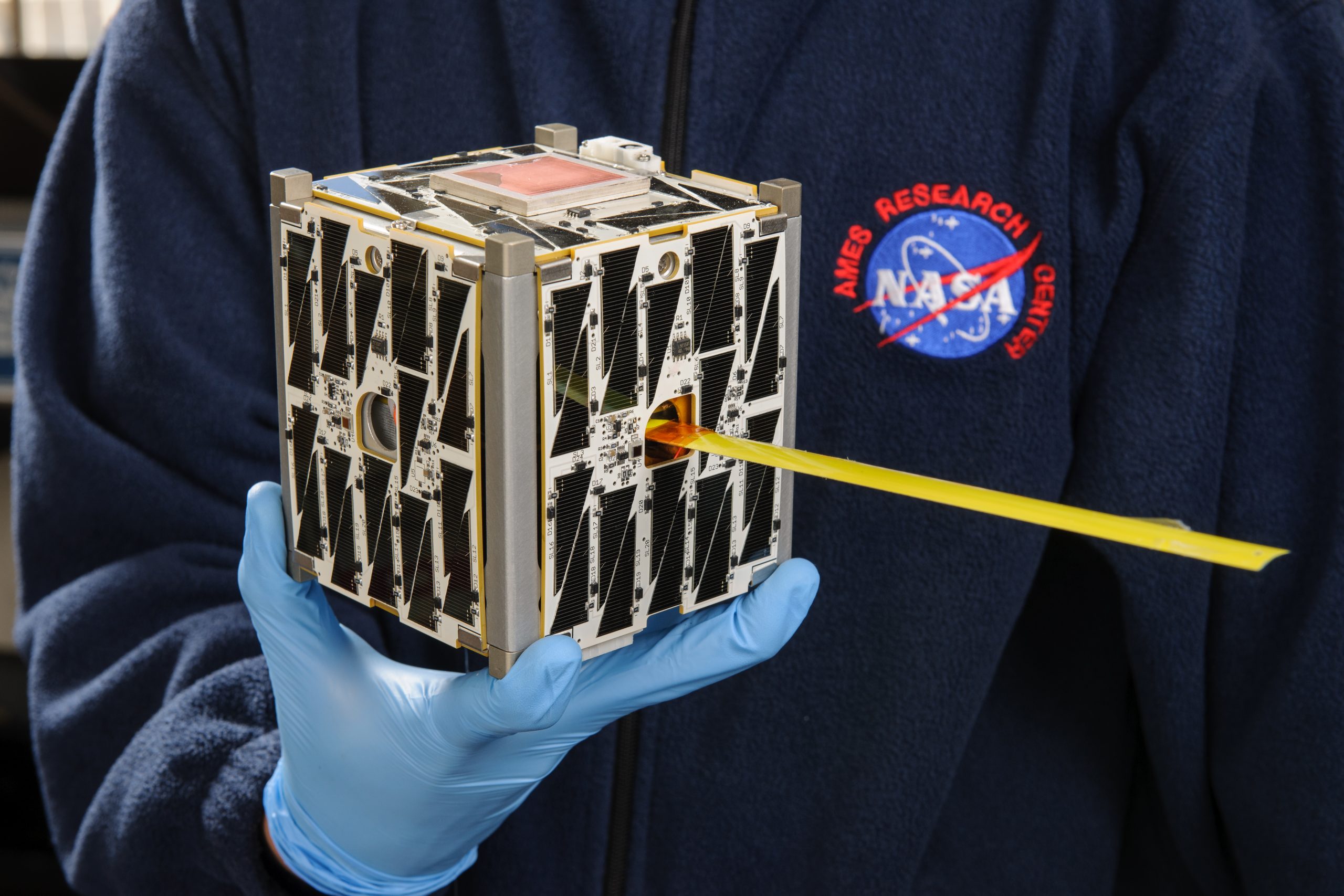
Kennedy said each CubSat is 10 cubic centimeters and can be assembled into three units measuring 10 by 30 centimeters. These CubeSats are equipped with a sensor payload, such as a thermal infrared camera or an optical camera, Kennedy said.
Data collected from orbit on water distribution and use could potentially reveal issues such as leaks or inefficiencies in the water management system. CubeSats' ability to provide continuous monitoring and data collection over time allows them to track changes in water resources and identify patterns that may not be visible from the ground.
"Institutions like Utah State, BYU and the University of Utah have all launched CubeSats into space," Kennedy said. "We thought it would be a great idea to get our students involved in CubeSats as well."
By developing most CubeSat subsystems in-house, Utah Tech aims to significantly reduce development time to one year and lower costs compared to typical CubeSat projects, which can take two to four years and cost upwards of $100,000.
Kennedy said the team hopes to build and launch a CubeSat with a different group of students each year.
"The first time takes longer, but after going through the process, we believe we can do it every year," he said, adding that he feels optimistic about the project's progress and its future.
$11,000 will be allocated to material and tooling costs for the CubeSat subsystems. The main components include the structure, power systems, communication systems, command and data handling, attitude determination and control, thermal control, on-board data storage and scientific payload.
The budget breakdown is as follows:
- Structure: $500
- Power: $1,000
- Communication: $500
- Command and data handling: $2,500
- Attitude Determination and Control System: $2,500
- Thermal control: $500
- Onboard data storage: $500
- Charge: $3,000
Copyright St. George News, SaintGeorgeUtah.com LLC, 2024, all rights reserved.
#Utah #Tech #receives #NASA #grant #water #management #solutions #project
Image Source : www.stgeorgeutah.com
Deja una respuesta